Himalayan Shilajit vs Ashwagandha: Which Is Better for You in 2026?
Himalayan Shilajit vs Ashwagandha: Which Is Better for Your Goals?
When it comes to natural optimization, hormonal health, and unlocking elite physical and mental performance, two ancient powerhouses dominate the conversation: Himalayan Shilajit and Ashwagandha.
Both ingredients have made the leap from ancient Ayurvedic traditions into the mainstream wellness routines of millions of athletes, busy professionals, and biohackers. If you are looking to optimize your body, clear out chronic fatigue, or find the best supplement for testosterone, it is highly likely you have narrowed your choices down to these two options.
However, choosing between shilajit or ashwagandha isn’t as simple as picking the most popular jar on the shelf. While they are both categorized as adaptogens, they function through completely different physiological pathways. One acts as a mitochondrial cellular supercharger, while the other serves as a powerful nervous system modulator.
This comprehensive guide breaks down the clinical science, real-world mechanisms, and core differences to help you choose the right one—or learn how to stack them safely for maximum synergy.
Coupon Codes HOHO234
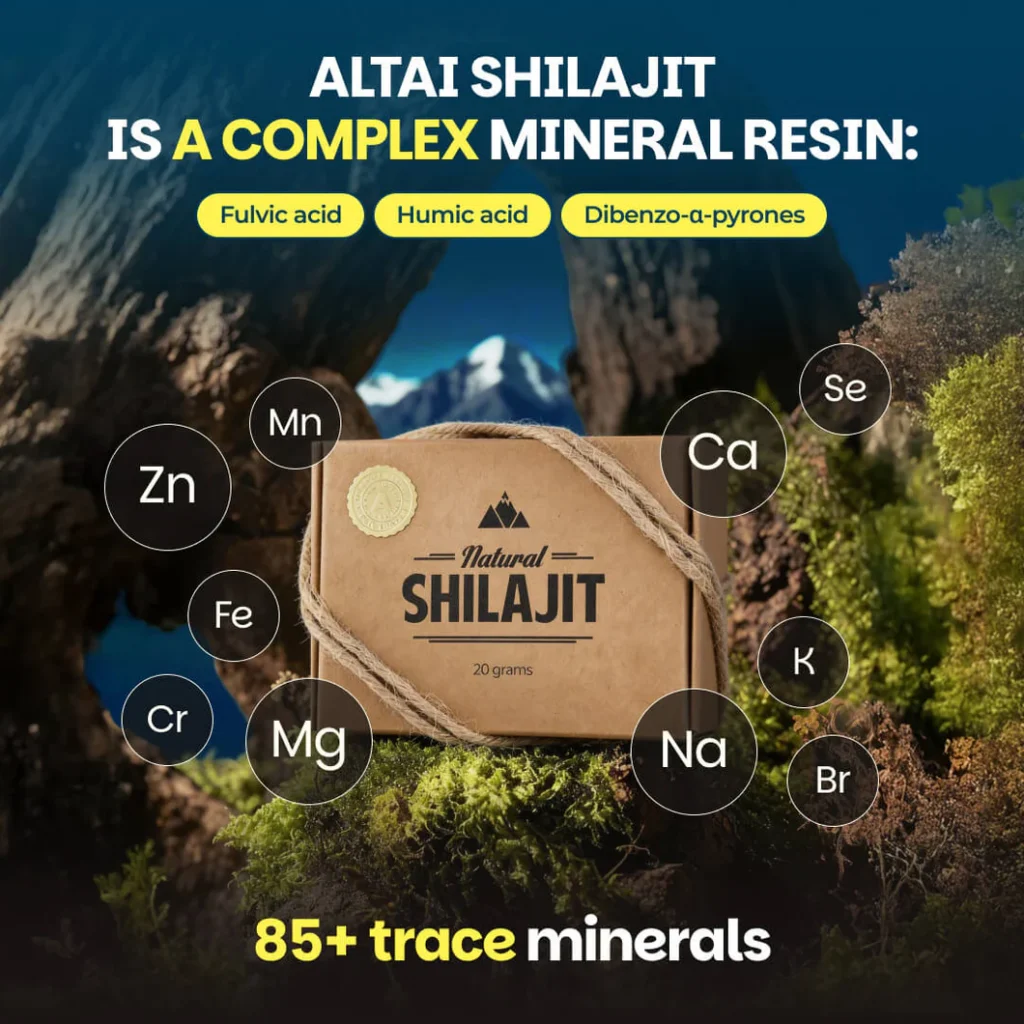
Natural Shilajit Resin
65 servings / 20 Grams / UNESCO Altai Source / DBP Verified
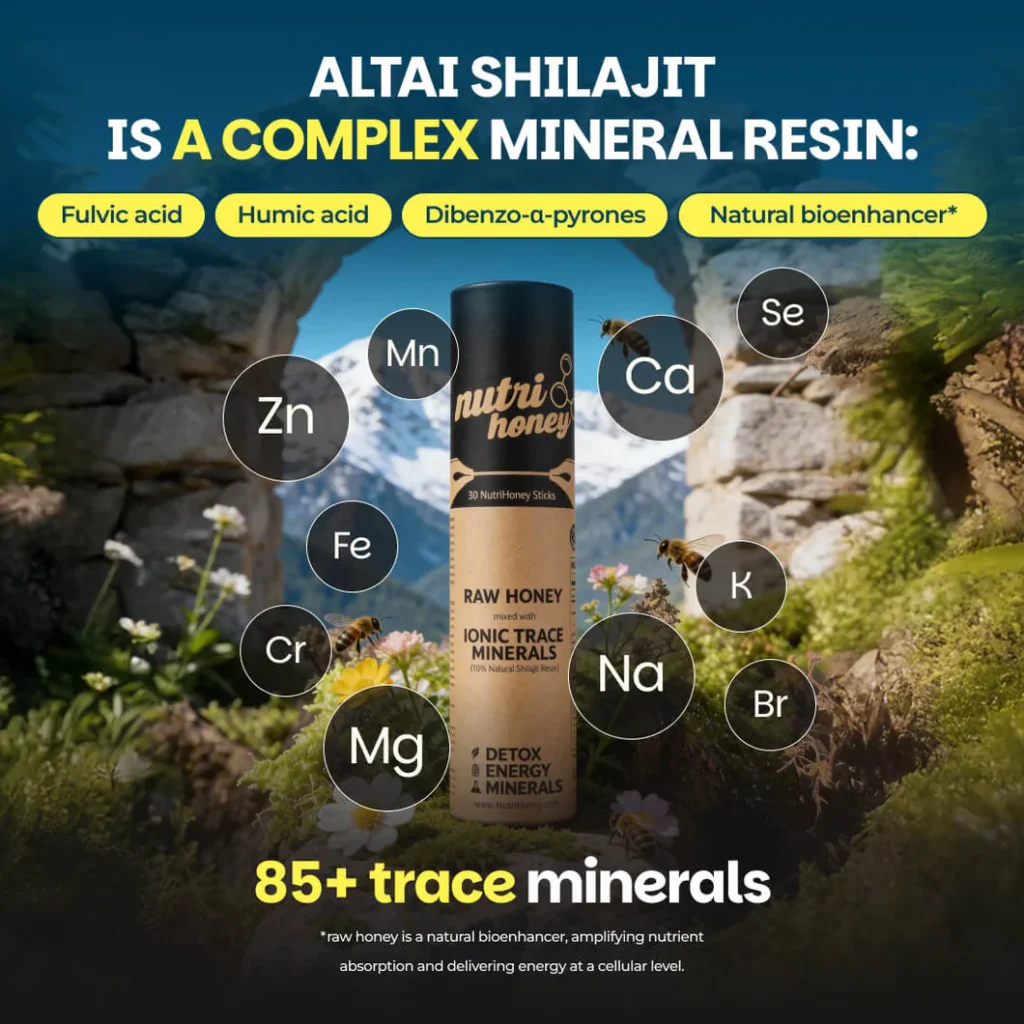
NutriHoney (30 Sticks)
30 servings / 30 Sticks / UNESCO Altai Source / DBP Verified
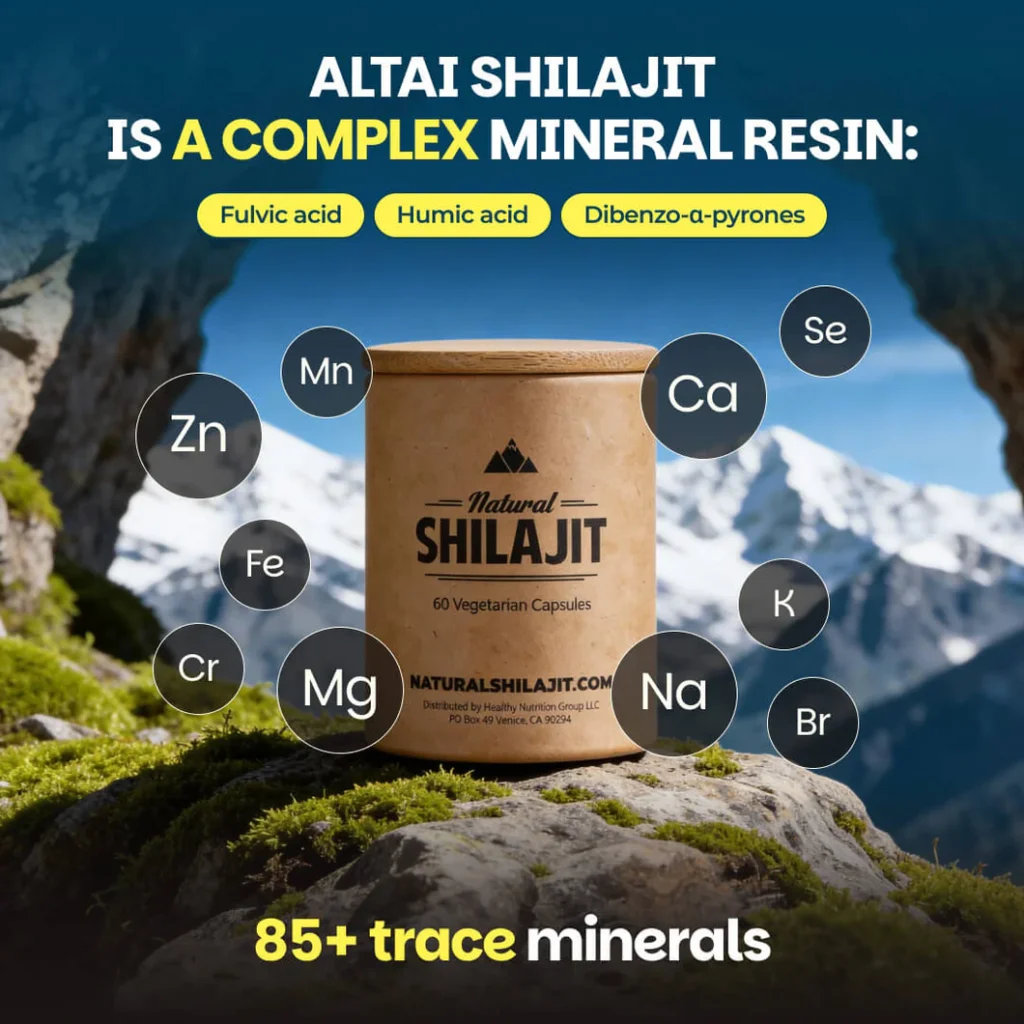
Natural Shilajit (60 Veg Tabs)
30 servings / 60 Veg Tabs / UNESCO Altai Source / DBP Verified
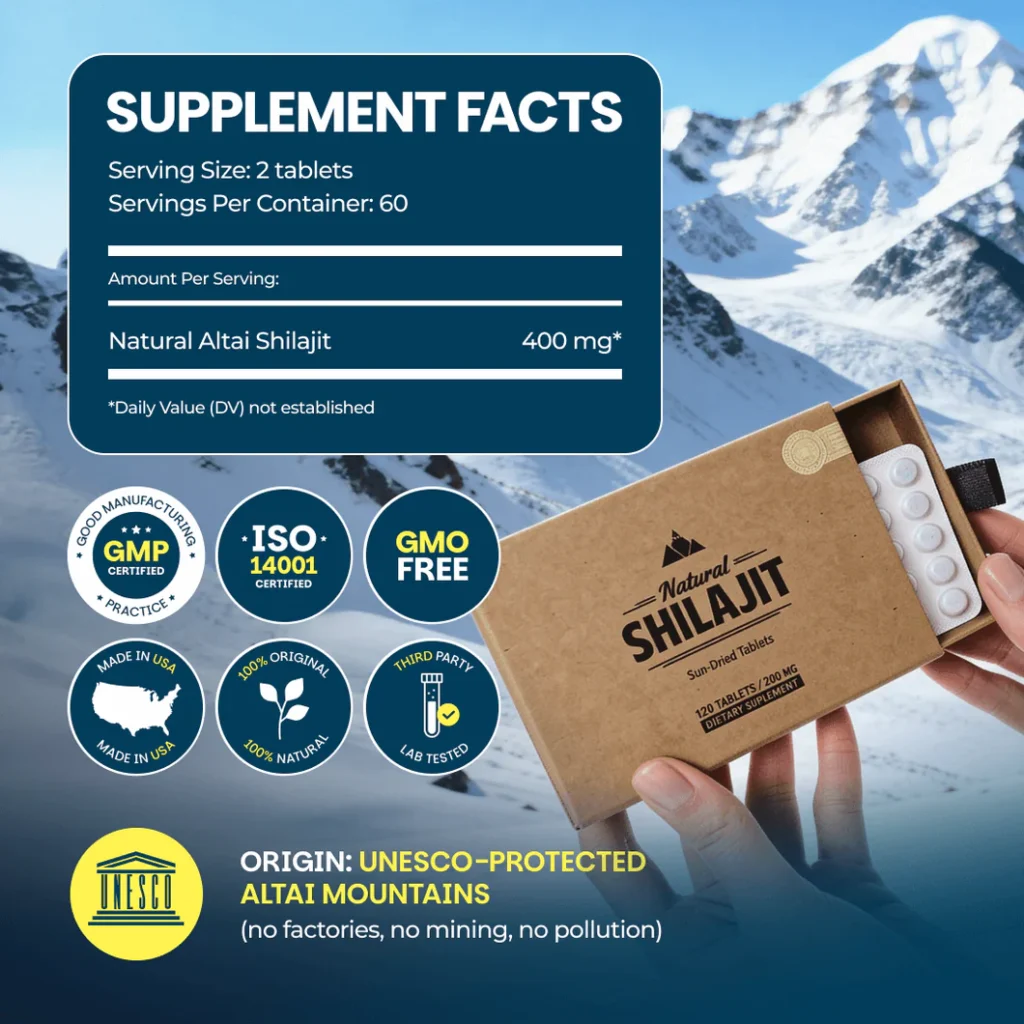
Natural Shilajit Sun-Dried Tablets (120 pcs)
60 servings / 120 Tablets / UNESCO Altai Source / DBP Verified
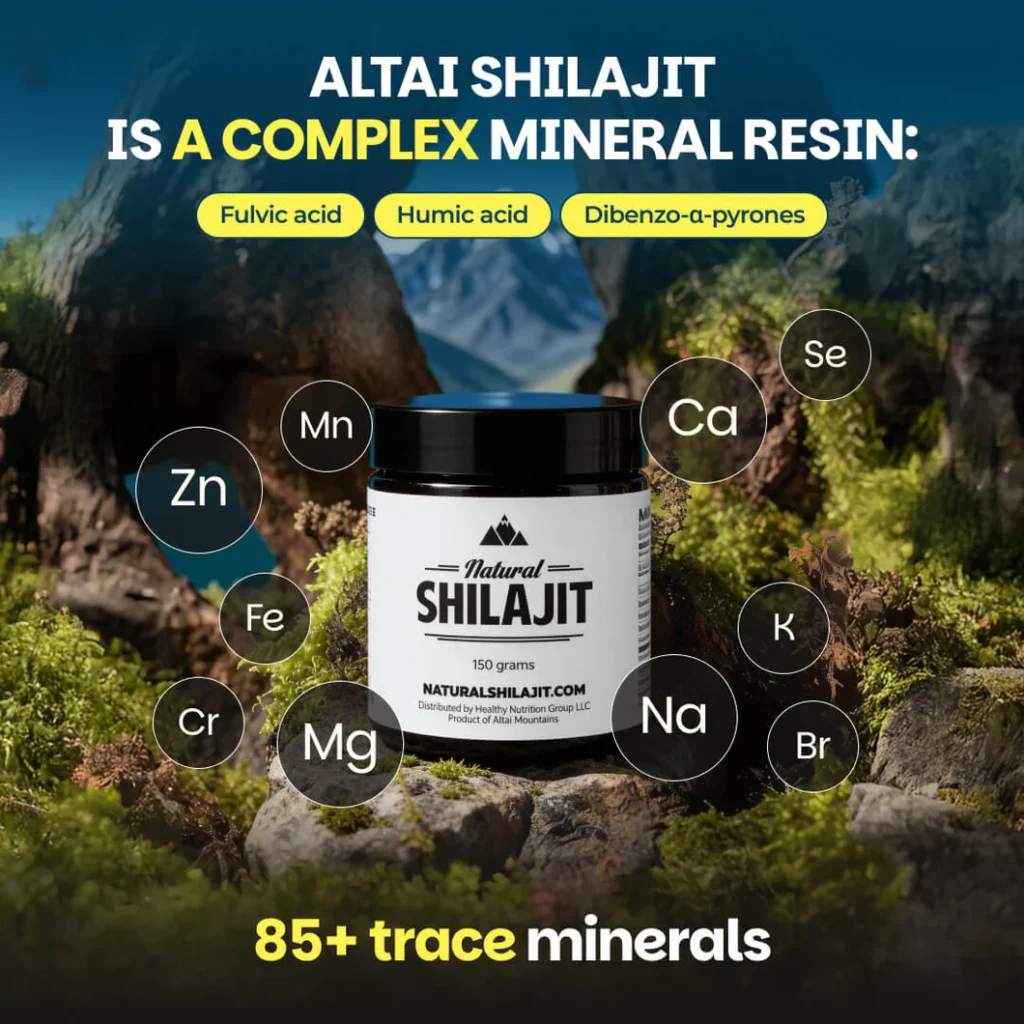
Natural Shilajit Resin
500 servings / 150 Grams / UNESCO Altai Source / DBP Verified

x12 Ormus Monoatomic Gold – 4 fl. oz. (120 ml)
Neuro-supportive fungi that pair perfectly with Shilajit’s mitochondrial boost.
The Core Breakdown: What Is the Difference?
To understand which compound aligns with your personal goals, we have to look under the hood at their biological origins and primary active ingredients.
What is Himalayan Shilajit?
Shilajit is a rich, dark humic biomass that oozes from high-altitude mountain rocks in pristine regions like Gilgit-Baltistan during hot summer months. It is formed over centuries through the slow decomposition of specific plant matters.
- Active Compounds: It is packed with over 85 ionic trace minerals, dibenzo-alpha-pyrones (DBPs), and exceptionally high concentrations of fulvic acid.
- Primary Role: It functions as a systemic cellular energizer and nutrient transporter.
What is Ashwagandha?
Ashwagandha (Withania somnifera), also known as Indian Ginseng, is a small woody shrub with yellow flowers native to India and North Africa. The therapeutic properties are concentrated almost exclusively within its roots.
- Active Compounds: The primary bioactive molecules responsible for its health benefits are a group of naturally occurring steroidal lactones called withanolides (often standardized in premium extracts like KSM-66 or Shoden).
- Primary Role: It functions primarily as a neurological shield against chronic stress and adrenal fatigue.
1. Stress, Cortisol, and Anxiety: The Neurological Battle
If your primary obstacle to elite performance is a racing mind, high-pressure work stress, or systemic anxiety, Ashwagandha is the clear, undisputed winner.
   +-------------------------------------------------------+
   |             CORTISOL REGULATION PATHWAY               |
   +-------------------------------------------------------+
   | High Stress  --> HPA Axis Overdrive --> High Cortisol  |
   |                                                       |
   | [Ashwagandha Intervention]                            |
   |   ↳ Calms HPA Axis                                    |
   |   ↳ Mimics GABA Neurotransmission                     |
   |   ↳ Lowers Systemic Cortisol up to 30%                |
   +-------------------------------------------------------+
Ashwagandha is a premier neurological adaptogen. When you experience chronic stress, your Hypothalamic-Pituitary-Adrenal (HPA) axis goes into overdrive, flooding your bloodstream with cortisol. High cortisol breaks down muscle tissue, promotes visceral fat storage, disrupts sleep patterns, and tanks your natural hormone production.
Premium ashwagandha extracts directly modulate the HPA axis. Clinical studies consistently demonstrate that daily supplementation with standardized root extract can lower serum cortisol levels by 11% to 30%. Furthermore, ashwagandha exhibits GABA-mimicking activity, meaning it calms hyperactive neurons, reduces systemic anxiety, and promotes a profound sense of grounded, calm resilience.
Shilajit’s Role: While shilajit does possess adaptogenic qualities, it doesn’t target the neurological anxiety pathways directly. Instead, it combats stress at a cellular level by preventing mitochondrial exhaustion and reducing systemic cellular inflammation.
2. ATP Synthesis, Stamina, and Vitality: The Cellular Battle
If your main bottleneck is physical exhaustion, lack of drive, slow recovery from the gym, or an afternoon productivity slump, Himalayan Shilajit is the definitive choice.
   +-------------------------------------------------------+
   |            MITOCHONDRIAL ENERGY PATHWAY               |
   +-------------------------------------------------------+
   | Nutrients + Oxygen --> Mitochondria --> ATP Energy    |
   |                                                       |
   | [Shilajit Intervention]                               |
   |   ↳ Fulvic Acid opens cell membranes                  |
   |   ↳ Delivers 85+ Ionic Trace Minerals                 |
   |   ↳ Fuels continuous, crash-free ATP output           |
   +-------------------------------------------------------+
Shilajit doesn’t rely on central nervous system stimulants like caffeine to wake you up. Instead, it optimizes the very engine of your cells: the mitochondria. The fulvic acid within premium shilajit acts as a powerful organic transporter, increasing the permeability of cell walls to deliver nutrients and ionic minerals directly into the cell core.
Once inside, it accelerates the synthesis of Adenosine Triphosphate (ATP)—the fundamental energy currency of your muscles and brain. By boosting ATP and protecting the mitochondrial lining from oxidative stress, shilajit provides a clean, smooth, baseline energy that lasts all day without causing a racing heart, jitters, or a late-day crash.
Ashwagandha’s Role: Ashwagandha helps energy indirectly. By lowering cortisol and optimizing sleep quality, your body recovers better overnight, which naturally translates to more morning stamina. However, it does not offer the acute mitochondrial spark that shilajit provides.
3. The Testosterone Showdown: Which Is Better?
Because both supplements are frequently marketed as natural vitality boosters, men frequently ask: what is the absolute best supplement for testosterone when comparing these two?
The truth is that they both significantly elevate free and total testosterone, but they achieve this result through completely opposite physiological strategies.
+-----------------------------------------------------------------+
|                    TESTOSTERONE PATHWAY COMPARISON              |
+---------------------+-------------------------------------------+
| SUPPLEMENT          | PRIMARY ACTION MECHANISM                  |
+---------------------+-------------------------------------------+
| Himalayan Shilajit  | Direct Leydig cell stimulation & enhanced |
|                     | mineral bioavailability inside the testes |
+---------------------+-------------------------------------------+
| Root Ashwagandha    | Indirect protection via cortisol reduction|
|                     | (Deactivating the hormone destruction loop)|
+---------------------+-------------------------------------------+
How Shilajit Boosts Testosterone
Shilajit works via a direct pathway. In clinical trials, healthy male subjects consuming purified shilajit resin daily for 90 days showed a significant 20% increase in total testosterone, a clean surge in free testosterone, and elevated levels of DHEA.
It accomplishes this by directly stimulating the Leydig cells within the testes and providing the foundational trace minerals (like selenium, zinc, and magnesium) required for continuous, optimal steroidogenesis.
How Ashwagandha Boosts Testosterone
Ashwagandha works via an indirect pathway. Testosterone and cortisol share a biological see-saw relationship: when your cortisol levels are chronically high, your testosterone production is automatically suppressed.
By drastically flattening your cortisol levels, ashwagandha breaks this destructive loop, allowing your body’s natural endocrine system to recover and resume normal testosterone production. It is particularly effective for men whose hormone levels have been tanked by high-stress lifestyles, overtraining, or chronic lack of sleep.
Comparison Matrix: Shilajit vs Ashwagandha at a Glance
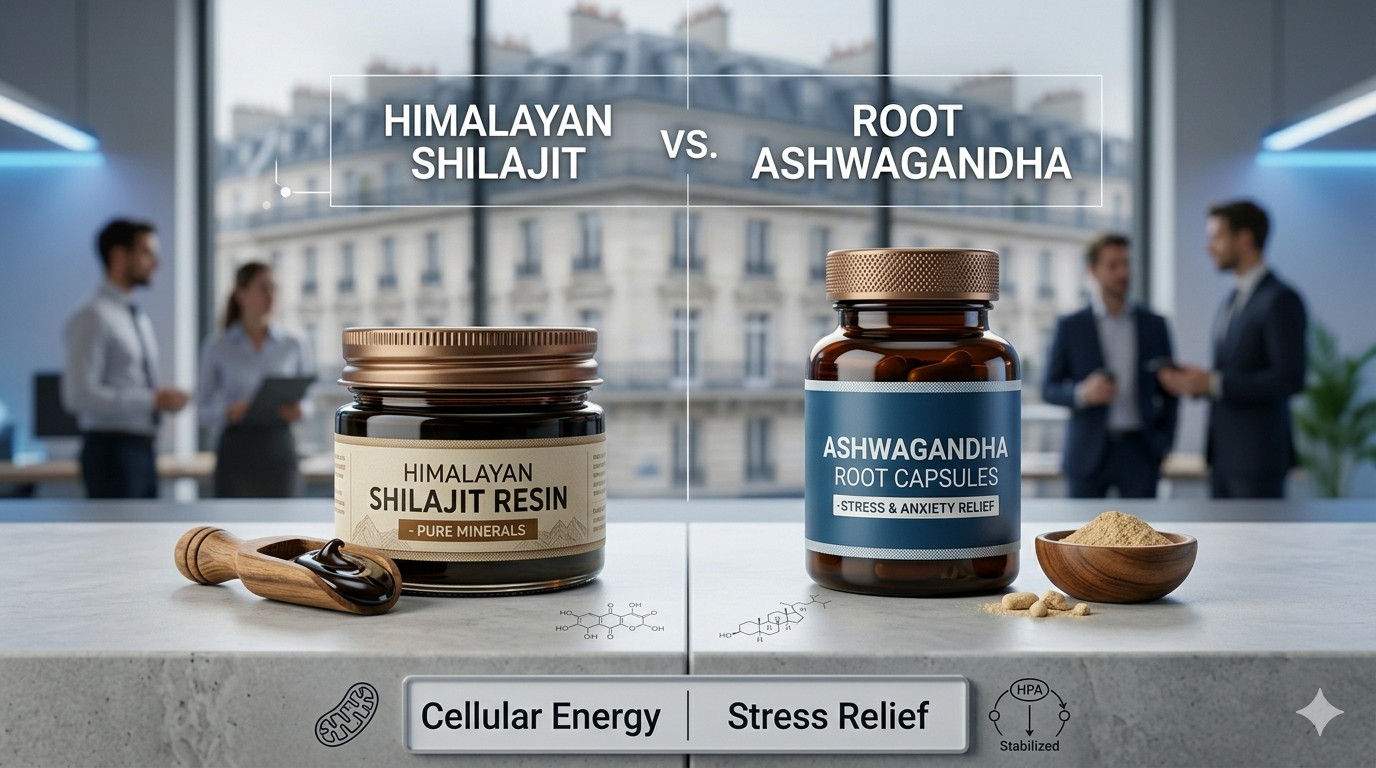
| Performance Dimension | Himalayan Shilajit | Root Ashwagandha |
| Primary Active Driver | Fulvic Acid & 85+ Trace Minerals | Withanolides (e.g., KSM-66) |
| Best Used For | Continuous physical energy, gym recovery, clarity | Calming anxiety, stress resilience, sleep |
| Testosterone Mechanism | Direct Leydig cell stimulation | Indirect (Cortisol suppression) |
| Ideal Time of Day | Morning (on an empty stomach) | Evening / Night (before bed) |
| Delivery Form Factor | Pure raw liquid/tar-like resin | Standardized root extract capsules |
The Ultimate Synergy: Stacking Shilajit and Ashwagandha
You do not necessarily have to pick a single winner. Because these two adaptogens target entirely separate biological pathways, stacking them together is one of the most effective wellness protocols available.
When combined, they create a perfect performance loop: shilajit fuels your cellular engines and supports raw hormone synthesis during the day, while ashwagandha calms your central nervous system, blunts stress, and repairs your muscle tissues at night.
The Ideal Daily Stacking Protocol:
- 8:00 AM (Morning): Take 250mg to 300mg of pure shilajit resin dissolved in warm, non-chlorinated water or morning tea on an empty stomach. This locks in your mitochondrial ATP production, clears morning brain fog, and sets up your daytime physical endurance.
- 9:00 PM (Evening): Take 300mg to 600mg of a standardized Ashwagandha root extract (such as KSM-66) alongside a light evening snack. This forces your elevated daytime cortisol levels down, activates parasympathetic relaxation, and sets up deep, restorative slow-wave sleep cycles.
6. FAQ (Schema Markup Ready)
Q: Can I mix shilajit and ashwagandha together in the same drink?
A: Yes, you can physically combine them without any negative chemical interactions. However, to maximize their unique biological properties, it is highly recommended to take shilajit in the morning for focused daily energy and ashwagandha in the evening to optimize your sleep architecture.
Q: Should you cycle ashwagandha and shilajit?
A: Yes, particularly for ashwagandha. While shilajit can generally be taken continuously to maintain micro-mineral baselines, ashwagandha can occasionally cause mild emotional blunting (anhedonia) if taken for months without a break due to chronic serotonin/GABA modulation. A common, safe cycle is 8 weeks on, followed by 2 weeks off.
Q: Which supplement works faster for results?
A: Ashwagandha typically delivers faster noticeable results regarding acute stress and anxiety management, often within 7 to 14 days. Authentic shilajit resin provides subtle morning alertness quickly, but its systemic hormonal improvements and compounding cellular energy baselines usually require 30 to 60 days of consistent use.
Shilajit vs Ashwagandha Matchmaker
Identify the ideal adaptogen for your current lifestyle
8. Suggestions de liens internes
yourwellnesssite.com/best-himalayan-shilajit-brands➔ Best Himalayan Shilajit Brands of 2026 (Lab Tested & Ranked)yourwellnesssite.com/does-himalayan-shilajit-really-work-30-day-review➔ Does Himalayan Shilajit Really Work? My Honest 30-Day Experiment Results
Conclusion
When deciding between shilajit or ashwagandha, the ultimate choice boils down to pinpointing your exact physiological bottleneck. If your energy reserves are completely empty, your athletic recovery is slow, and you need a direct foundational boost to your trace minerals, Himalayan Shilajit is your ideal match. Conversely, if your mind is constantly racing, work-related stress is affecting your performance, and poor sleep is keeping your body from recovering, Ashwagandha will provide the restorative shield your nervous system needs.
For those who refuse to compromise on either front, utilizing them together in a targeted AM/PM stack is the ultimate strategy to build a resilient, high-performing physiology for 2026.